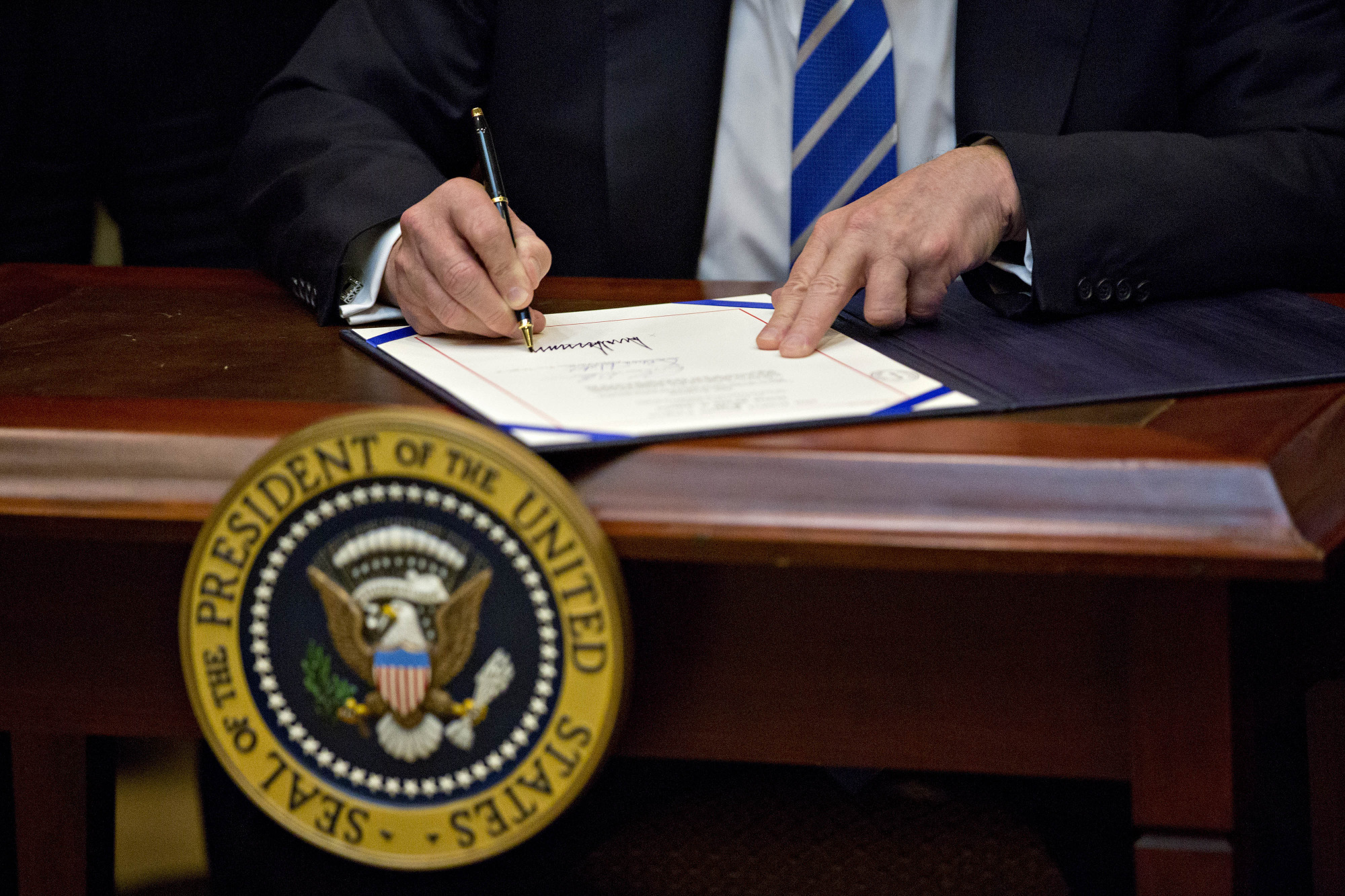

Trump signs bill extending tax deadlines after disasters
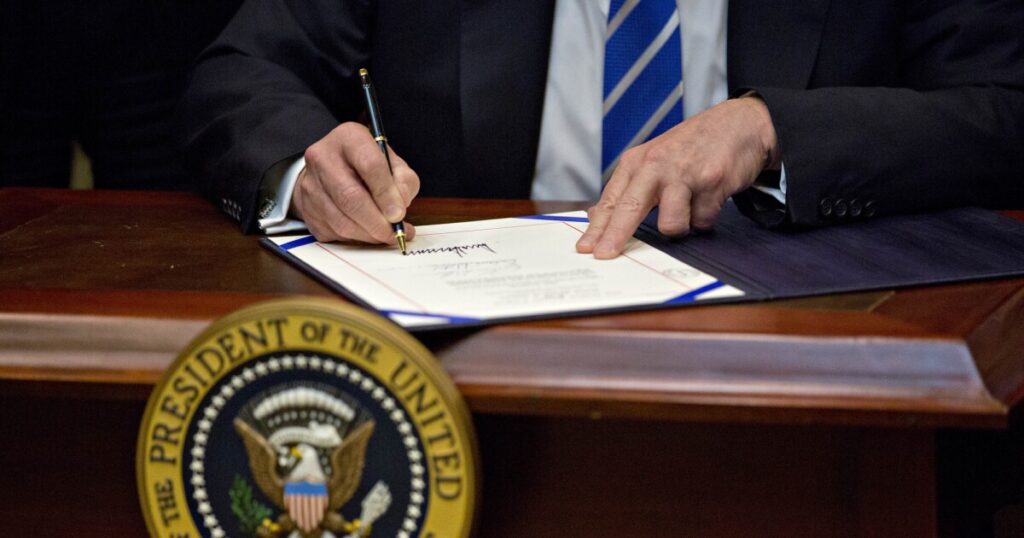

President Trump has signed a bipartisan bill that aligns the deadline for claiming prior-year tax refunds or credits with the extended filing period granted to taxpayers affected by natural disasters.
Processing Content
The bipartisan bill, known as H.R. 1491, the Disaster Related Extension of Deadlines Act, was sponsored by Rep. Gregory Murphy, R-North Carolina, and Jimmy Panetta, D-California, with the support of the American Institute of CPAs.
The Disaster Related Extension of Deadlines Act gives taxpayers who have been affected by disasters more opportunities to meet their tax obligations without extra confusion and anxiety. It extends the time for filing a claim for credit or refund (known as the “lookback period”) by the disaster relief postponement period afforded to taxpayers affected by major disasters. Previously, taxpayers impacted by disasters effectively had less time to make a refund or credit claim than those who aren’t affected because the deadline for refund or credit claims was based on the original filing deadline and wasn’t extended by the filing and payment disaster relief postponement.
Under the new law, the IRS would be prohibited from prematurely mailing notices demanding payment to individuals in areas where the IRS has postponed payment deadlines due to natural disasters. It requires the IRS to treat the postponement of the federal tax return deadline due to a federally declared disaster or certain other events as an extension of such a deadline for purposes of calculating the limit on a tax refund, according to a summary. The IRS’s deadline for sending certain notices would need to take into account such a postponement.
“Disaster victims endure unimaginable challenges as they work to rebuild their lives,” Murphy said in a statement Friday. “The last thing they should worry about is navigating confusing IRS filing requirements. The Disaster Related Extension of Deadlines Act provides individuals with sufficient time to claim tax refunds or credits while ensuring clear communication from the IRS to prevent unnecessary penalties or interest. I am grateful to President Trump for signing my bill into law to bring meaningful reform. I am also very appreciative of Chairman [Jason] Smith for his leadership on the Ways and Means Committee and the unanimous, bipartisan support the bill received in Congress.”
“This law ensures Americans can remain focused on rebuilding their lives without the hassle of a premature IRS notice demanding payment or less time to claim a tax refund or credit, resources that could be used to repair damage caused by natural disasters,” House Ways and Means Committee chairman Jason Smith, R-Missouri, said in a statement. “I’m glad the Ways and Means Committee came together to solve this issue that has affected people across the country, and I want to thank Representatives Murphy and Panetta for providing real relief to their districts and all Americans.”
The AICPA has advocated for the bill and expressed strong support for it and other disaster-related legislation in a February 2025 letter to leadership of the House Ways and Means Committee.
In 2023, the IRS sent over 1 million notices incorrectly to taxpayers in California recovering from a natural disaster informing individuals they must pay federal taxes in 60 days to avoid penalty. This policy has been listed as one of the top legislative recommendations by the National Taxpayer Advocate.
The bill advanced out of the Ways and Means Committee unanimously in February and received a unanimous vote in the House of Representatives in April. The Senate passed it in December and it was sent to Trump’s desk for his signature.
The Disaster Related Extension of Deadlines Act implements two tax filing reforms for taxpayers living in areas affected by natural disasters. It conforms the deadline for taxpayers to claim a credit or refund for a previous tax year to the IRS deadline to file taxes and stops the IRS practice of prematurely mailing notices demanding tax payment.
The IRS frequently postpones the filing and payment deadline for taxpayers affected by federally declared disasters. However, the three-year window for taxpayers to claim a credit or refund for a previous tax year is often not similarly extended. Taxpayers affected by natural disasters are then left with less time to claim a tax credit or refund than taxpayers who requested a filing postponement.
The bill extends the three-year window for receiving a refund or credit when the IRS extends the filing deadline due to a natural disaster and ensures the automatic IRS payment deadline is extended to match any disaster-based filing deadline extension.