

Government shutdown leaves IRS in limbo
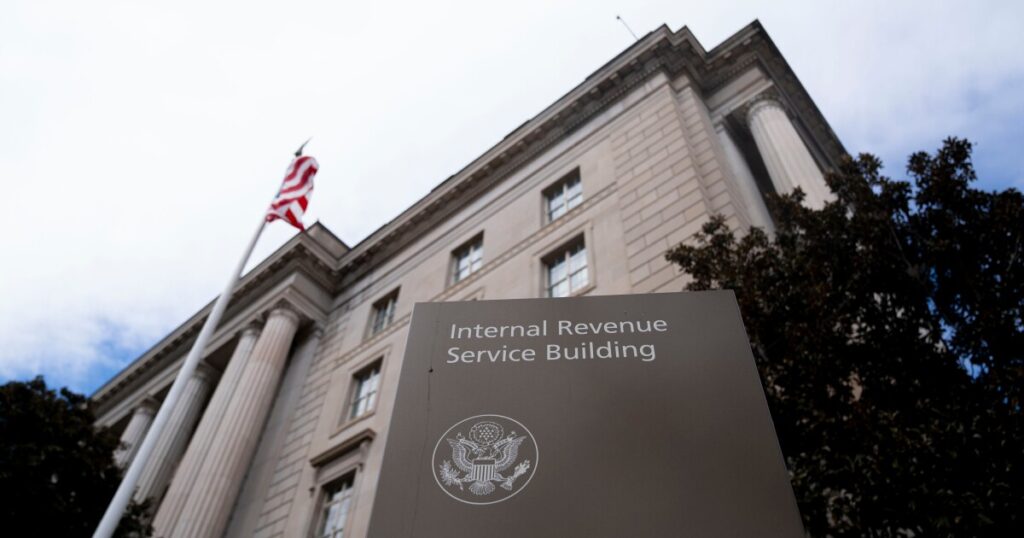

As the Senate advances a possible end to the 40-day government shutdown, the Internal Revenue Service is adjusting its plans amid a wave of layoffs and program closings.
The IRS began furloughing many of its employees and closing down functions about a week after the shutdown started on Oct. 1 after initially drawing from funds left over from the Inflation Reduction Act. The IRS later posted an update on which services would be limited or unavailable during the shutdown. The shutdown has had a significant impact on tax professionals and their clients, and the National Association of Tax Professionals sent a letter last week to congressional leaders warning about the effects of the IRS workforce reductions.
In a court filing last week from the Treasury Department in response to a lawsuit by the National Treasury Employees Union, an HR official at the Treasury detailed some of the cuts, saying 297 reduction-in-force notices were sent to the IRS Shared Services and Support unit, 527 RIF notices to the IRS Exams and Collections unit, 489 RIF notices to the IRS Information Services function, four RIF notices to the Treasury-wide Management and Programs unit, and 82 RIF notices to the Community Development Financial Institutions Fund program. The IRS also reportedly updated its contingency plans for the shutdown, increasing the number of employees who were allowed to work by 112 to 39,982 from 39,870 and recalling 45 people from furlough in the IRS Chief Counsel’s office to work on implementing the One Big Beautiful Bill Act.
The shutdown has caused disruptions for many tax professionals, although some are noticing that fewer tax audits are happening as a result. “It’s kind of a mixed bag,” said James Creech, a principal with Baker Tilly’s specialty tax practice. “I’ve got a lot of clients that are happy that their audits are paused. They may not be happy that they got audited, but they’re happy it’s on the back burner, and they’re not having to think about it. We’ve got some unhappy clients, because they’re still getting notices outside of the IRS, and it’s just that much harder to get ahold of anybody or get anything resolved. I always try and keep in mind as a tax professional that I do this stuff day in and day out, but when our clients get notices, it’s something that may be a once in a decade or once in a lifetime type of thing. One of the really hard parts about my job right now is going back to them and saying, ‘Yes, we can help resolve this notice, but it might be six months or a year when something could have taken six weeks earlier.’
In some cases, he is able to get through on the phone to someone at the IRS, but not for everything. “We’re still getting through,” said Creech. “There’s still phone operators on a reduced schedule, or a reduced number of them, so it’s an increased wait time.”
Correspondence about past tax seasons is probably not being prioritized. One of his clients was angry because the IRS didn’t process an appeal and sent a notice instead. Others are facing slow processing of requests.
“I have some clients that are going through the sale of a business and need a lien released,” said Creech. “The lien release department isn’t answering the phone right now. There’s no revenue officer to talk to. There’s nobody to work with on this, and you’re just indefinitely out of luck. Being indefinitely out of luck is not what people want to hear when they’re going through a very stressful time in their lives.”
The deal that’s being worked out in Congress would reportedly reverse thousands of layoffs the Trump administration tried to implement earlier in the shutdown across the federal government and prevent future layoffs through Jan. 30. The deal would also bring back furloughed employees at the IRS, including one IRS attorney who usually writes tax regulations but has been spending his time lately working as a hot dog vendor on a street corner in Washington.
